
Tracking student progress is one of the most important responsibilities for anyone working in education. From lesson planning to evaluating performance, every decision relies on accurate and timely data. In many classrooms, spreadsheets remain the backbone of assessment systems, and this is where advanced Excel becomes especially valuable. When used well, it empowers educators to organise information, spot trends and plan interventions with far greater confidence.
Turning Raw Data into Meaningful Insight
Schools generate a huge amount of information. Test marks, attendance figures, assignment feedback and ongoing assessments are just a few examples. Without a clear structure, it becomes overwhelming and difficult to interpret. Spreadsheets help convert scattered data into an organised format, making it easier to view progress at a glance. Educators can design clear tables, apply formatting rules and create logical layouts that highlight the most important details. This structure ensures consistency and allows teachers to understand patterns in performance more quickly.
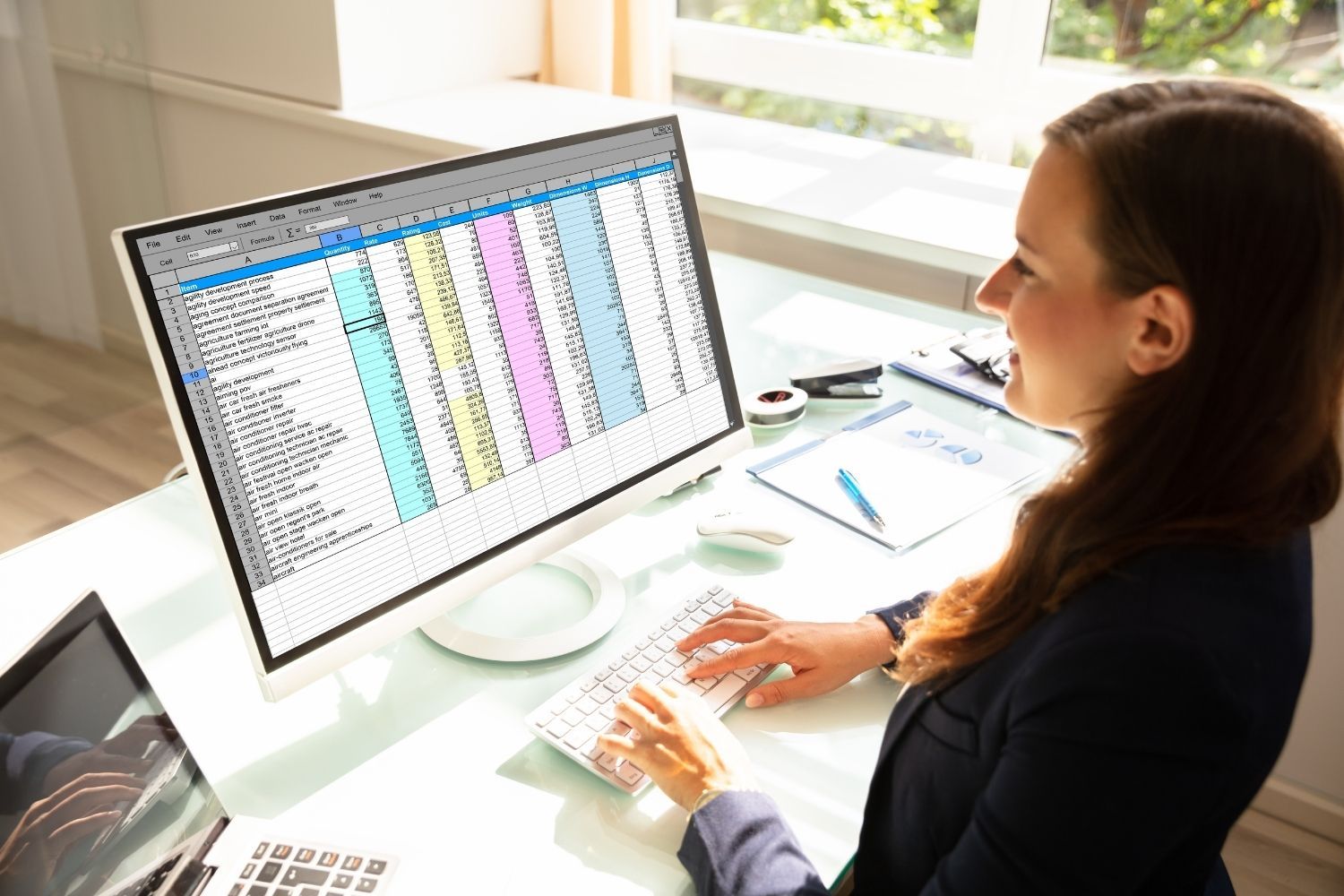
Conditional formatting plays a major role in making data immediately understandable. Colour cues help identify pupils who need support, those who are improving and areas where the whole class may require reinforcement. This visual approach allows teachers to catch concerns early and adjust lesson plans before small issues turn into long-term gaps.
Improved Assessment Tracking for Every Learner
Effective assessment tracking requires more than recording marks. It involves analysing patterns across different tasks to understand each learner’s strengths and challenges. Spreadsheets give educators the flexibility to build customised tracking sheets that reflect their specific curriculum and teaching style. They can set up formula-driven systems that automatically update averages, growth patterns and attainment levels as new marks are entered.
This automated calculation reduces manual errors and saves valuable time, allowing teachers to focus on interpreting results rather than handling repetitive tasks. It also ensures that progress reports are always based on the latest available data. For pupils, this means interventions are timely and targeted. For teachers, it provides reassurance that decisions are based on reliable and accurate information.
Better Planning and Forecasting
Understanding how pupils are progressing helps teachers plan future lessons more effectively. Spreadsheets allow them to compare different sets of data over time, providing insight into learning trajectories. Trend analysis helps identify whether pupils are improving steadily or if progress has slowed. This deeper understanding supports more strategic planning throughout the school year.
Forecasting tools can be particularly helpful when preparing for exams or major assessments. By analysing past performance, teachers can predict potential outcomes and prepare pupils accordingly. These insights also help set realistic goals, both for individual learners and for the wider class.
Clear and Effective Communication with Parents and Colleagues
Accurate progress tracking supports communication beyond the classroom. Parents want clear updates on how their children are performing, and colleagues may need this information for planning and moderation. With well-designed spreadsheets, educators can produce clean summaries that present performance information simply and professionally.
Charts and visual summaries make reports easier to understand, especially for parents who may not be familiar with assessment terminology. Spreadsheets also make it easy to share information securely within a school, ensuring everyone involved in a pupil’s education has access to the same accurate data. This improves collaboration and supports consistent decision-making.
Supporting Data-Driven Teaching Practices
Modern education increasingly depends on data-driven approaches. Gathering evidence, analysing learning trends and adjusting teaching methods accordingly are essential for improving outcomes. Spreadsheets provide the tools needed to support these practices without requiring complex systems or specialist software.
Teachers can adapt their spreadsheets as their needs evolve, adding new columns, incorporating new assessment methods or introducing different forms of analysis. This flexibility ensures that the system grows alongside the curriculum, providing long-term value. It also encourages educators to reflect on their teaching methods and explore new ways to personalise learning.
A Practical Tool for Today’s Classrooms
While technology in education continues to evolve, spreadsheets remain one of the most accessible and effective tools for managing student data. They are familiar, customisable and capable of handling complex information without becoming overwhelming. For educators, they offer a practical way to monitor progress, support pupils and improve teaching strategies.
By using spreadsheets more thoughtfully, teachers can gain deeper insight into how students learn, understand which methods work best and respond quickly to emerging needs. This strengthens the overall learning environment and helps every pupil move closer to their full potential.
In today’s fast-paced educational landscape, clear and accurate progress tracking is essential. With the right skills and thoughtful structure, spreadsheets can transform how educators manage information and support learners. They offer a powerful balance of simplicity and depth, making them an invaluable tool for both everyday teaching and long-term planning.